48 hr
Ban Gioc Waterfall & Angel Mountain 2-Day Adventure
- Expert local guide
- Small group
- Skip-the-line access
- Free cancellation
Ban Gioc Waterfall From Hanoi — Cross-Border Cascades & Cao Bang Journeys
Vietnam's widest waterfall, 340 kilometres north of the capital
Compare fares, pick the fit — all bookings are mobile-voucher and eligible for free cancellation where shown.
48 hr
24 hr
48 hr
| Experience | Duration | Rating | Skip-the-line | Guide | Small group | Free cancel. | Price | |
|---|---|---|---|---|---|---|---|---|
|
Guided Experience
Most popular
Ban Gioc Waterfall & Angel Mountain 2-Day Adventure
|
48 hr | ★ 5.0 | ✓ | ✓ | ✓ | ✓ | €187 | Book → |
|
Guided Experience
Ban Gioc Waterfall & Cao Bang Villages: 2-Night Adventure from Hanoi
|
24 hr | ★ 4.9 | ✓ | ✓ | ✓ | ✓ | €130 | Book → |
|
Guided Experience
Ban Gioc Waterfall & Nguom Ngao Cave Adventure from Hanoi
|
48 hr | ★ 5.0 | ✓ | ✓ | ✓ | ✓ | €93 | Book → |
Worth it for nature lovers and adventure seekers
The ban gioc waterfall from hanoi requires a full-day commitment—roughly 5-6 hours each way through northern Vietnam's winding mountain roads. You'll cover 300 kilometers to reach the cascades that straddle the Vietnam-China border in Cao Bang Province, making this the country's most remote major natural attraction. The payoff is access to Southeast Asia's largest transnational waterfall, where twin-tiered cascades plunge across a 200-meter limestone cliff into turquoise pools surrounded by karst peaks and terraced rice fields. The 45,000 VND entrance fee is negligible; your real investment is time and tolerance for long road travel. Ban Gioc waterfall from Hanoi tours typically bundle the journey with stops at Nguom Ngao Cave and local minority villages, stretching the experience into a two-day northern highlands loop. If you prioritize untouched scenery over convenience and don't mind trading a day of urban sightseeing for backcountry exploration, the route delivers one of Vietnam's most dramatic natural spectacles—far removed from the well-trodden circuits around Halong Bay or Sapa.
Bottom line: The ban gioc waterfall from hanoi journey rewards patient travelers with raw natural grandeur unavailable closer to the capital.
They complement each other, but most visitors who prioritize high-energy landscapes prefer the power of the waterfall, while those seeking tranquility choose the lake; consider booking ban gioc waterfall from hanoi tours to simplify logistics for this border region journey.
|
Top pick Ban Gioc Waterfall |
Ba Be Lake | |
|---|---|---|
| Primary focus | Cascading limestone falls | Mountain lake ecosystem |
| Travel time from Hanoi | 7–9 hours | 6–7 hours |
| Activity level | Low intensity sightseeing | Moderate boating and hiking |
| Landscapes | Limestone cliffs and river | Calm lake and karst peaks |
| Photography opportunities | Wide-angle water vistas | Serene water reflections |
| Recommended duration | 2–4 hours | 1–2 days |
| See tickets & prices |
Verdict: If you are purchasing ban gioc waterfall from hanoi tickets for a focused excursion, expect a more intense transit than the more relaxed visit required for Ba Be Lake excursions.
Hand-picked experiences loved by thousands of travelers
2 days
Free Cancellation
Journey to one of Asia's most spectacular cross-border cascades with cave exploration and mountain views
2 days
Free Cancellation
Two-day adventure through Vietnam's northern highlands, ethnic villages, and stunning waterfalls
9 hours
Free Cancellation
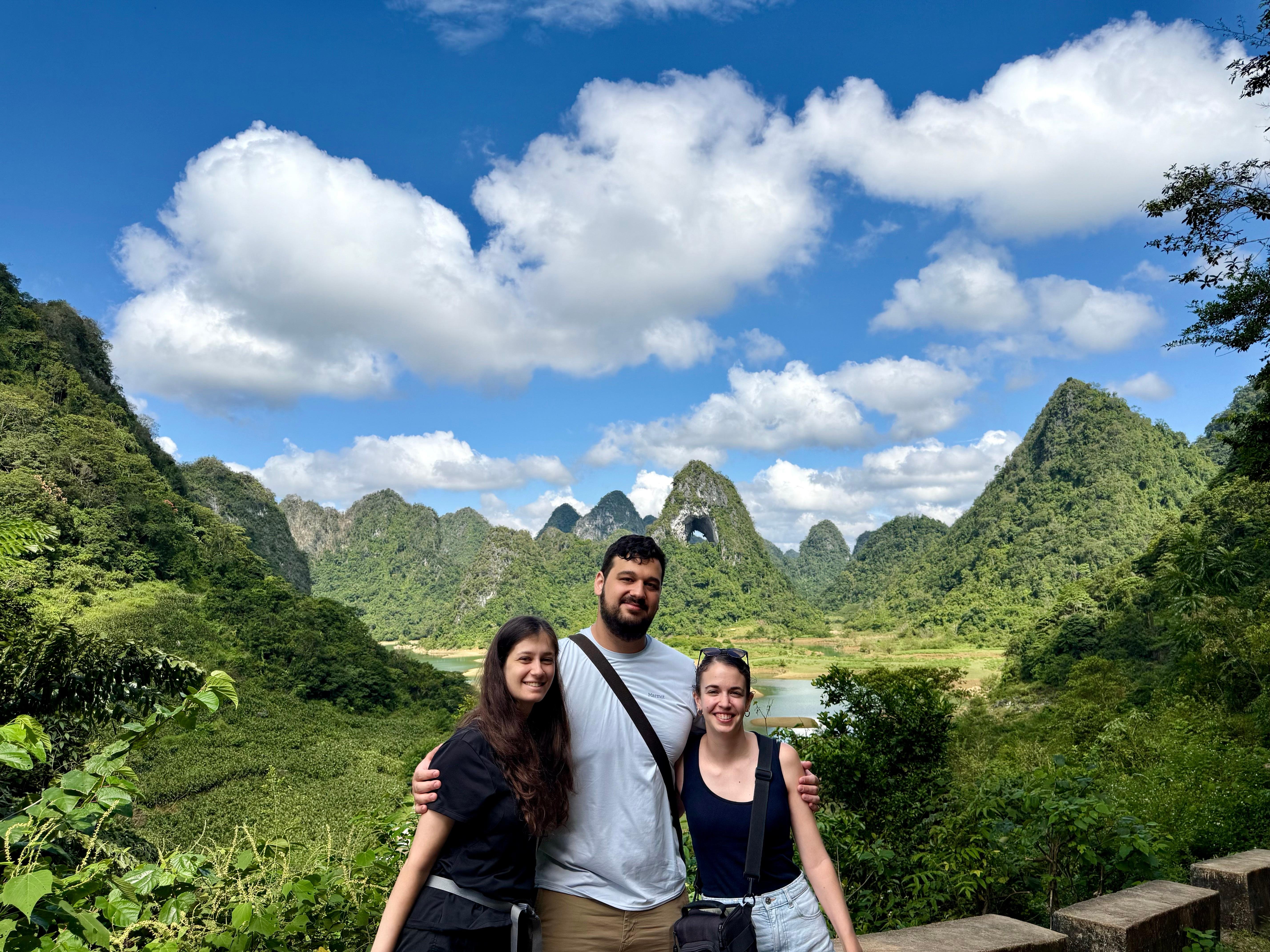
Discover cascading waterfalls, limestone caves, and a mountain with a 50-meter natural hole on this scenic escape
2 days
Free Cancellation
Journey to Southeast Asia's grandest border waterfall with stops at ancient villages and limestone caves
3 days
Free Cancellation
Journey through Vietnam's north to cascading waterfalls, emerald lakes, and limestone karst landscapes
3 days
Free Cancellation
Discover Vietnam's stunning northern highlands with waterfall visits, cave exploration, and authentic homestay immersion
2 days
Free Cancellation
Discover Vietnam's stunning northern highlands with visits to dramatic waterfalls, ancient caves, and mountain panoramas.
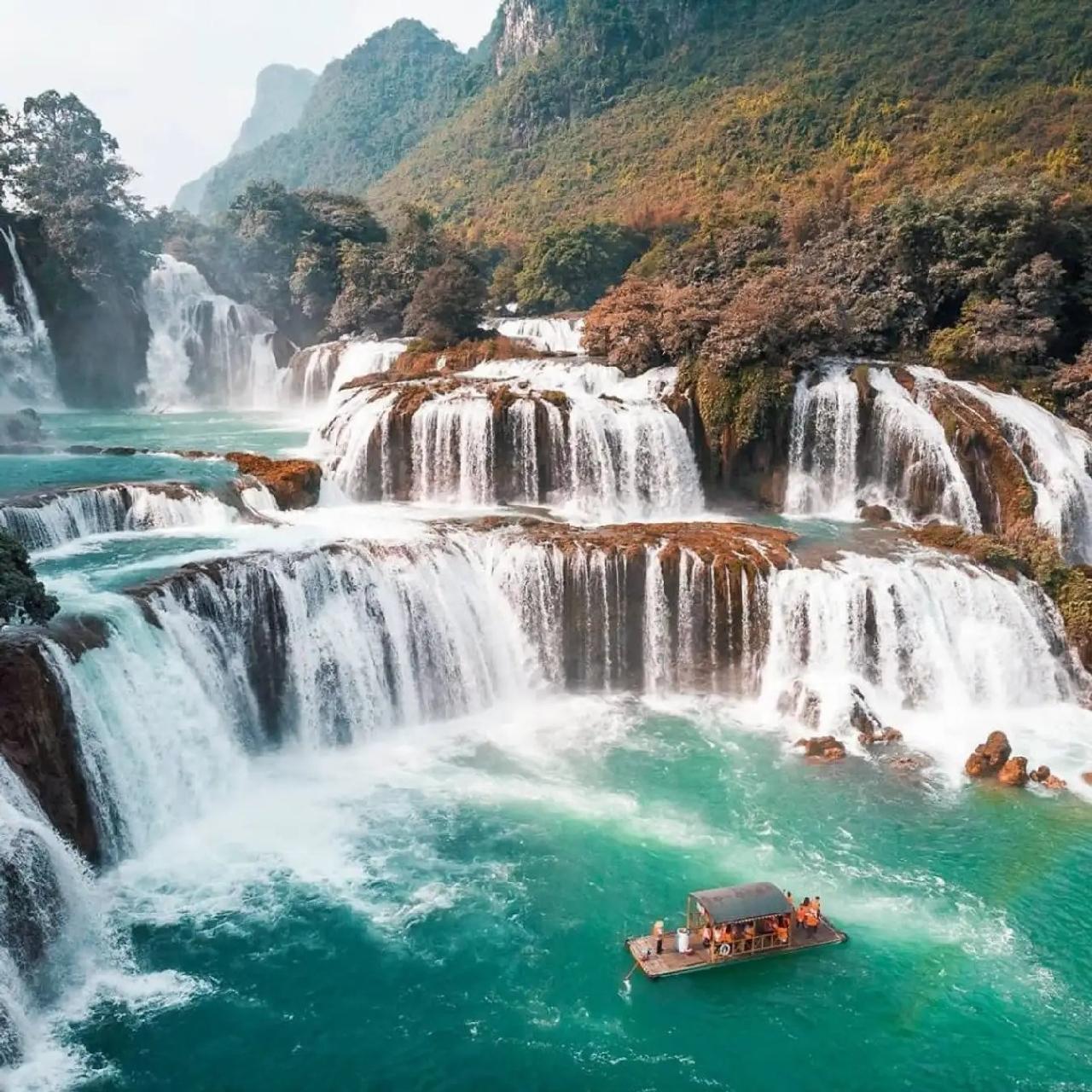
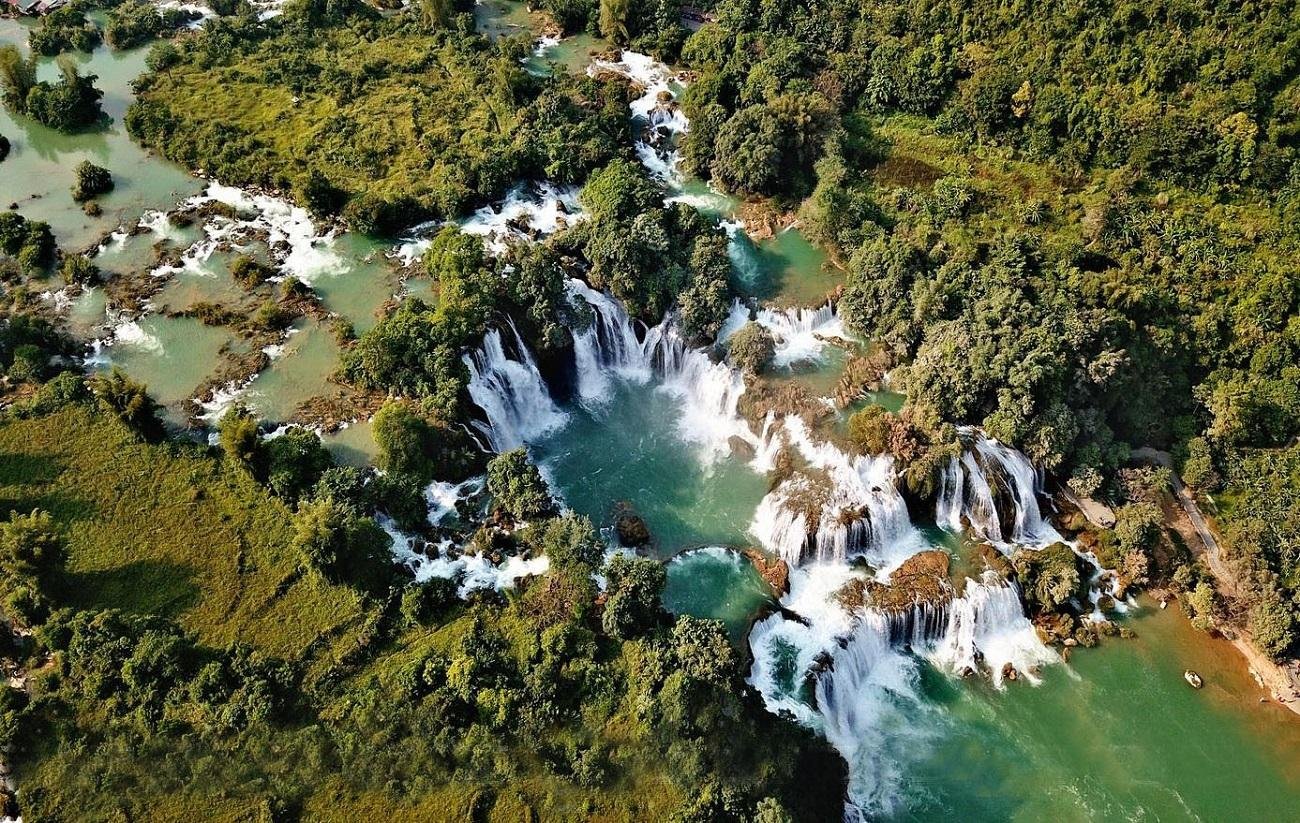
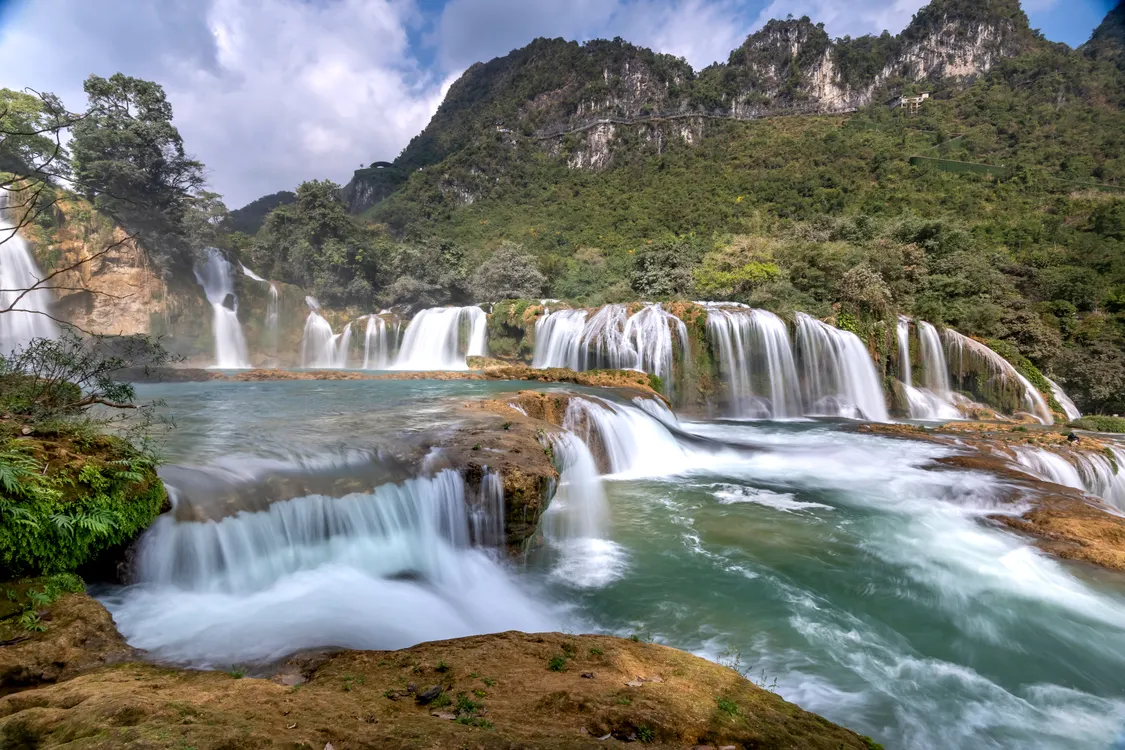
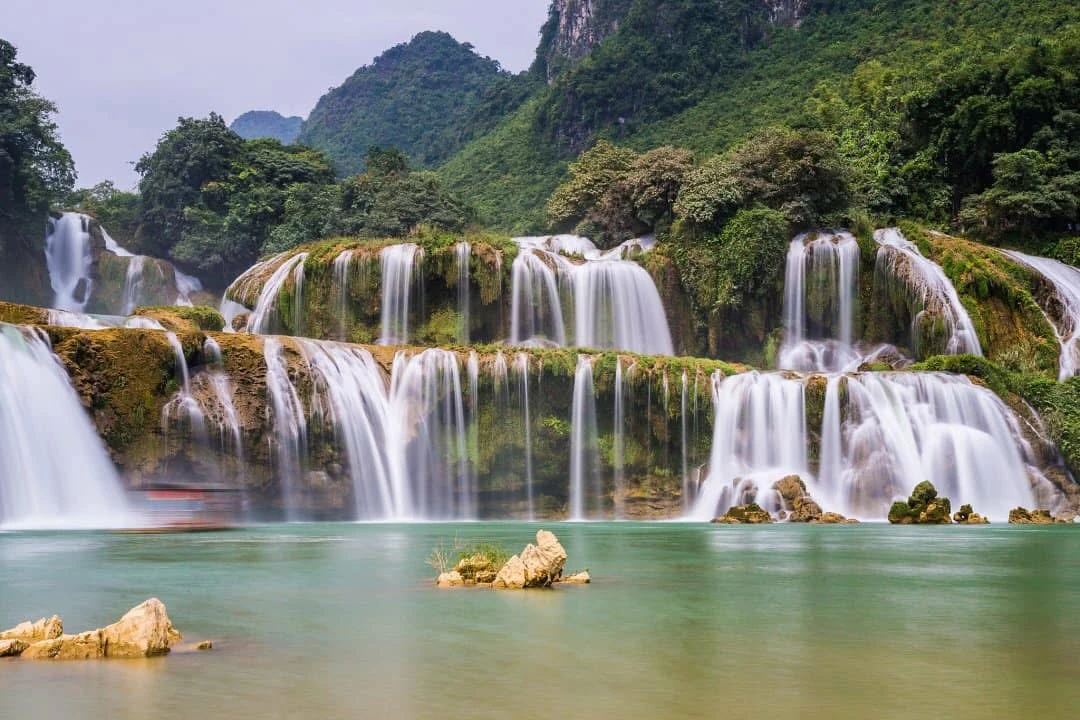
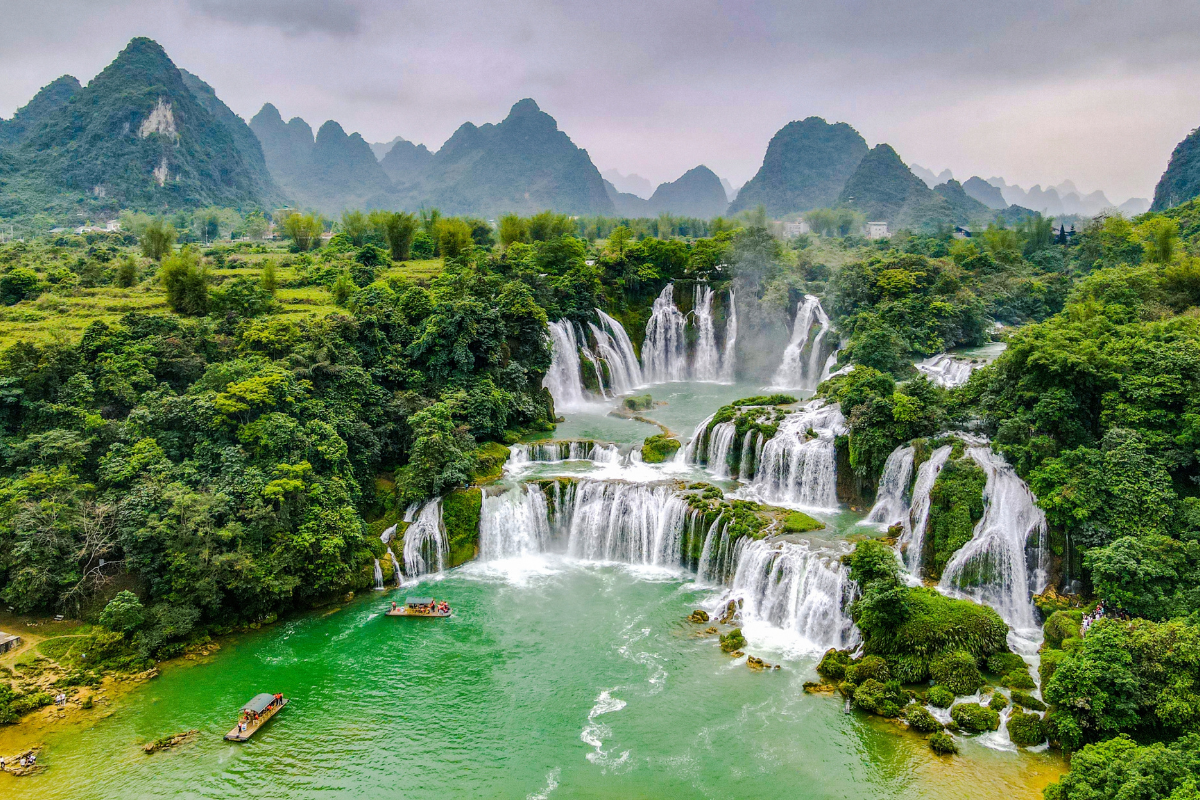
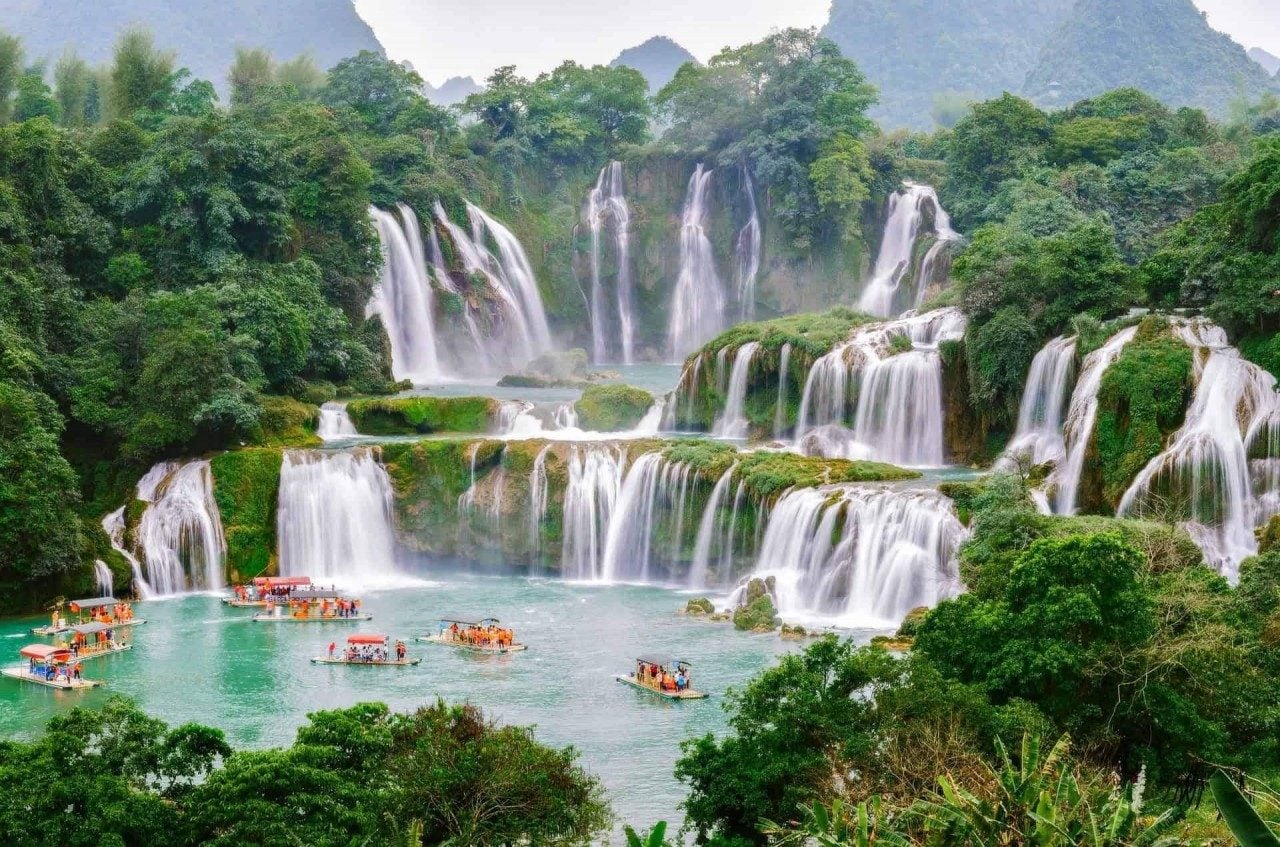
The primary section of the Ban Gioc Waterfall features a spectacular 30-meter drop across limestone tiers.
Main Falls
A smaller, mesmerizing section located entirely on the Vietnamese side of the Quay Son River.
Secondary Cascade
Multiple strategic points allow visitors to observe the full 300-meter width of the falls.
Viewing Platform
The jade-colored river that feeds the falls, offering unique bamboo raft perspectives.
Quay Son River
You leave Hanoi before sunrise, the bus climbing through Thái Nguyên's industrial outskirts as dawn breaks over the foothills. The highway narrows past Bắc Kạn, winding through villages where Tày women in indigo tunics sell sticky rice from roadside stalls.
By 09:00 you reach Cao Bằng city for a rest stop, then continue northeast as the limestone towers multiply and the road hugs cliff edges 400 metres above valley floors.
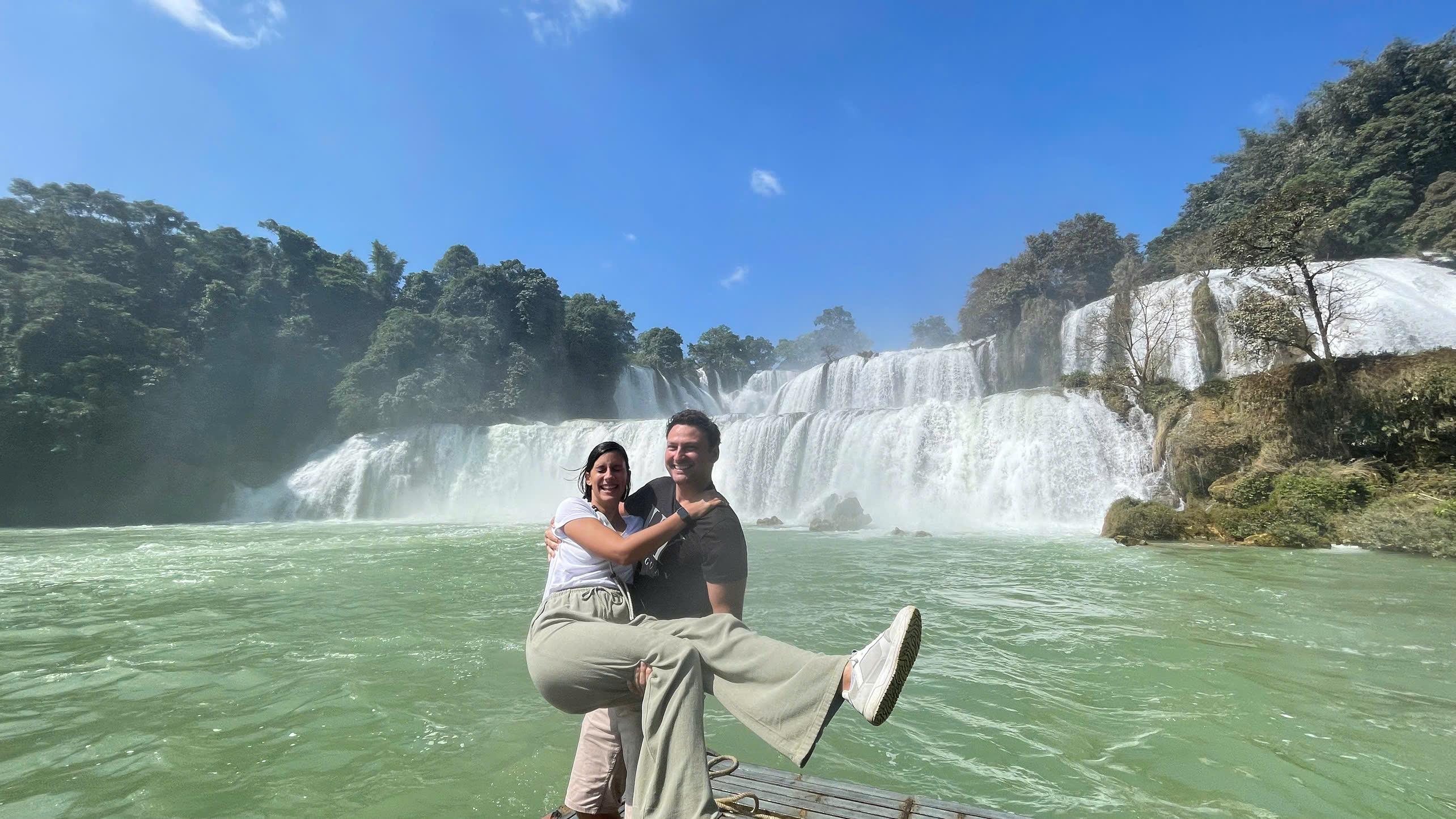
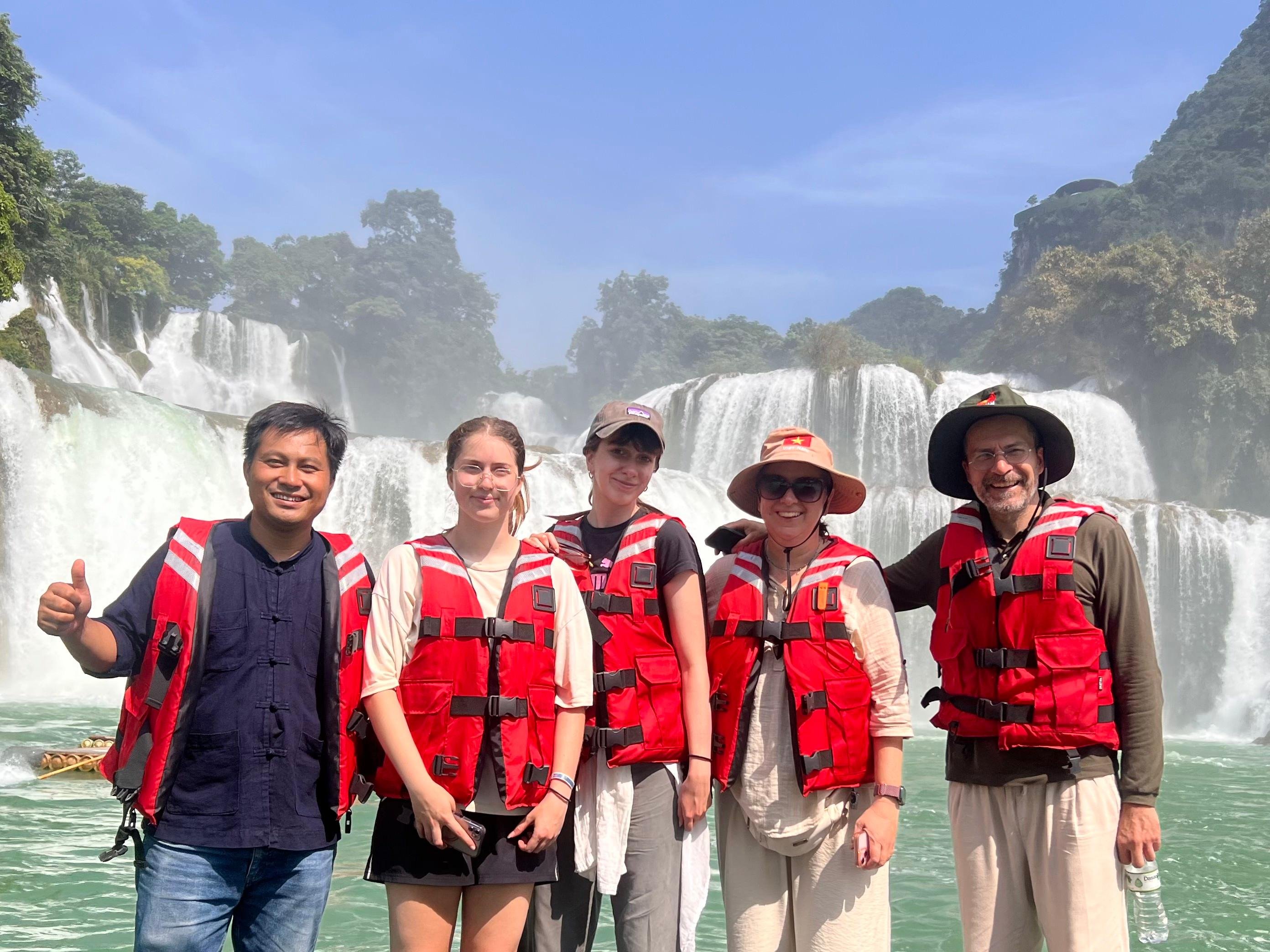
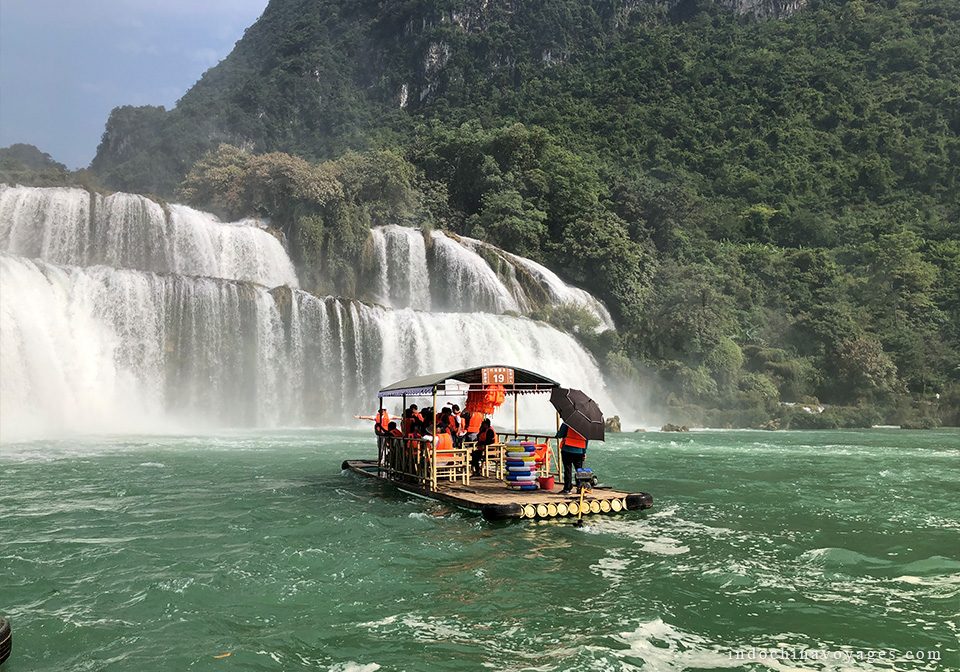
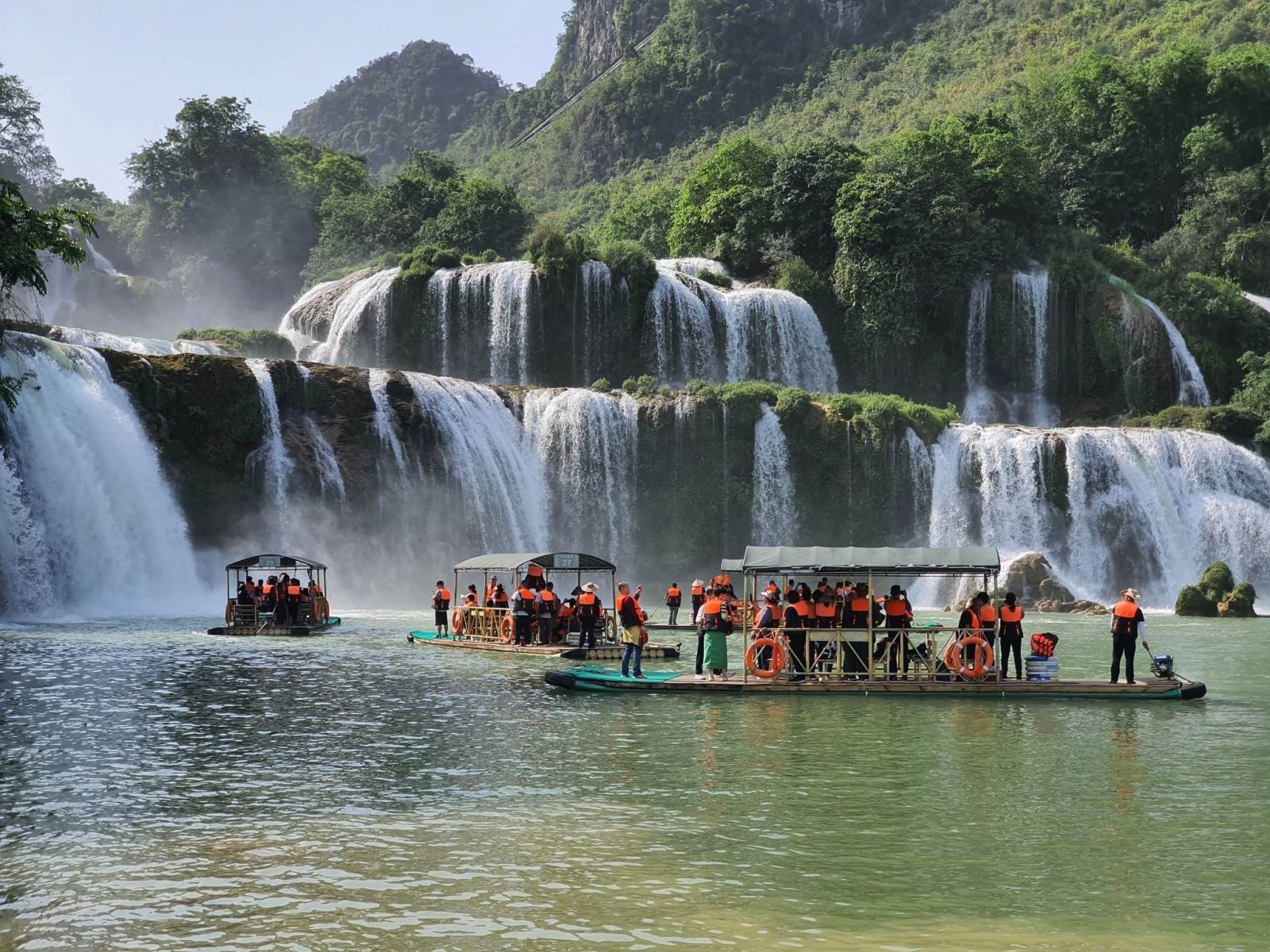
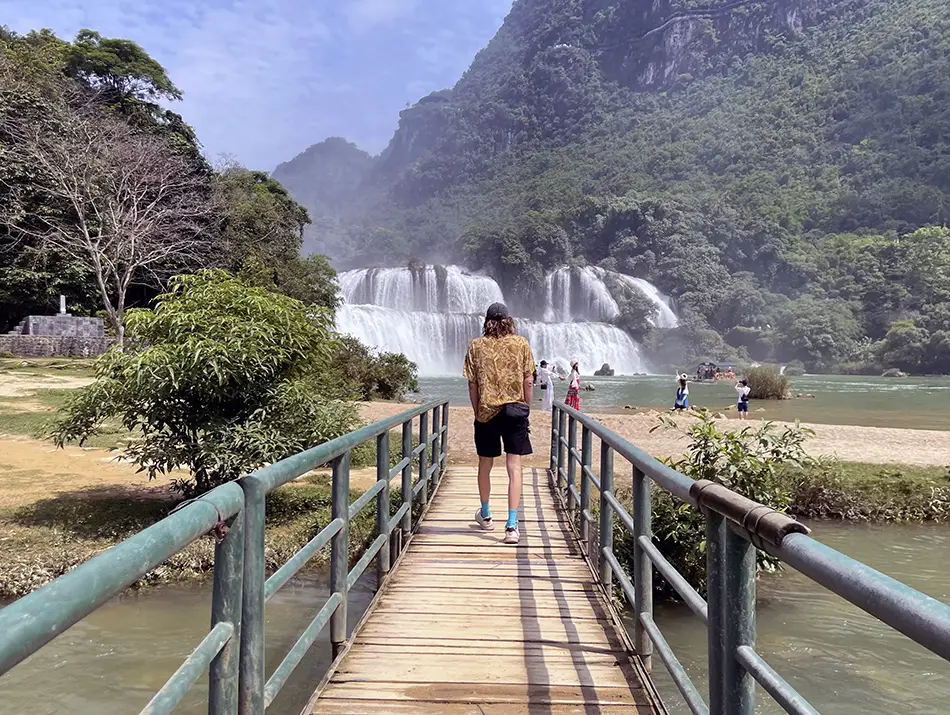
You arrive at the falls' entrance gate around 10:30, walking 600 metres down a paved path flanked by betel-nut palms. The roar grows louder before you see the water. The main viewing platform sits at the base of the Vietnamese tier, where spray drifts across a wooden boardwalk and you can count the individual curtains braiding down the rock face. If you've booked a raft ride, guides pole you 40 metres upstream into the plunge pool, close enough to feel the percussion of 350 cubic metres hitting the river every second. The climb back to the gate takes 15 minutes, legs heavy from the stairs carved into the hillside.
All the details about your upcoming adventure in one place
Ban Gioc Waterfall from Hanoi tours traverse 272 kilometers northeast to Vietnam's largest cascade, straddling the border with China's Guangxi province. The twin-tiered falls plunge 30 meters across a 300-meter limestone cliff, fed by the Quay Son River through emerald karst valleys. Most ban gioc waterfall from hanoi trips include stops at Nguom Ngao Cave's stalactite chambers and optional bamboo raft rides beneath the falls.
Ban Gioc — Thác Bản Giốc in Vietnamese — spills 53 metres across a 300-metre limestone shelf on the Vietnam-China frontier, making it the fourth-widest transnational waterfall in the world after Iguazu, Victoria, and Niagara.
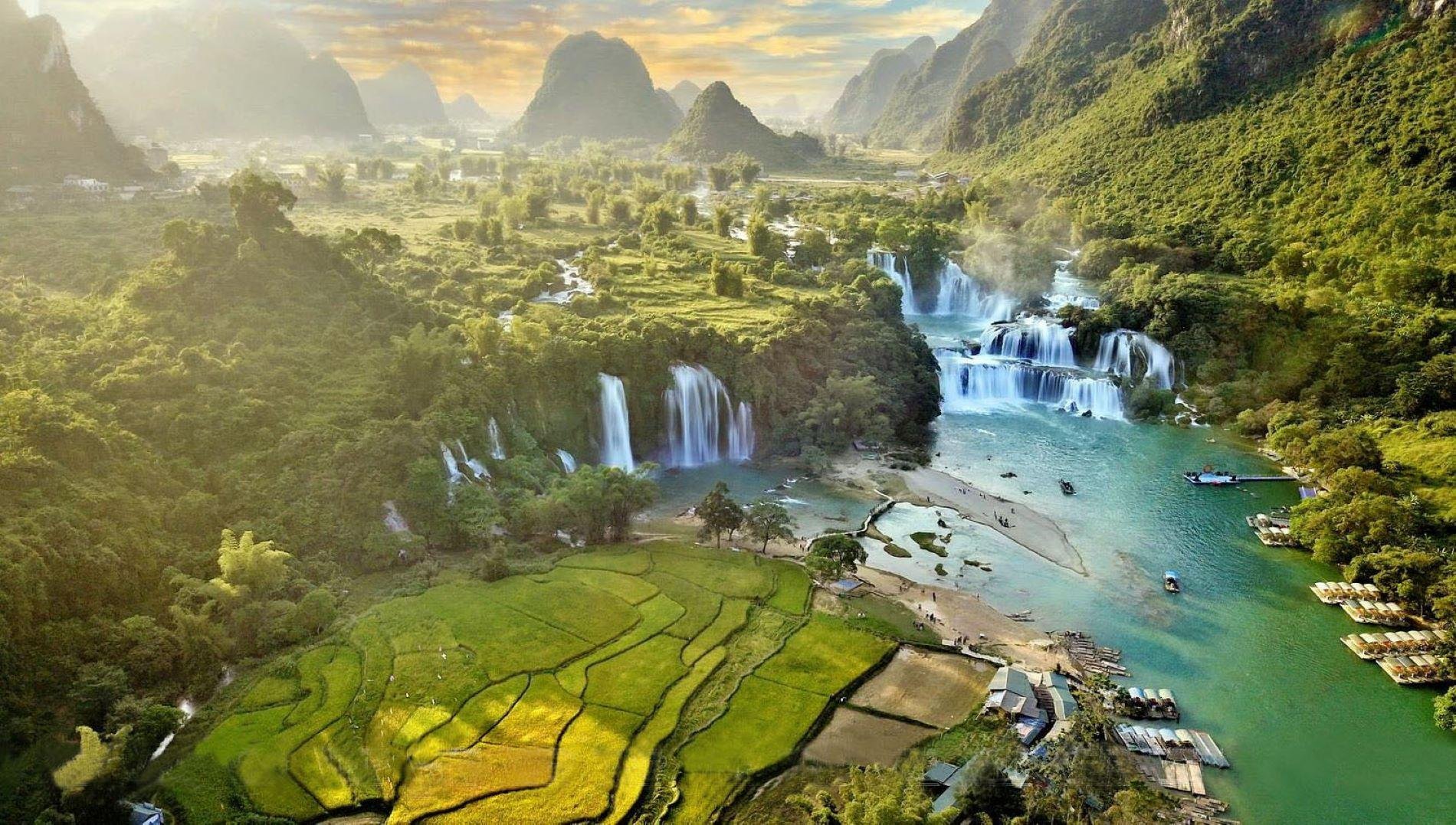
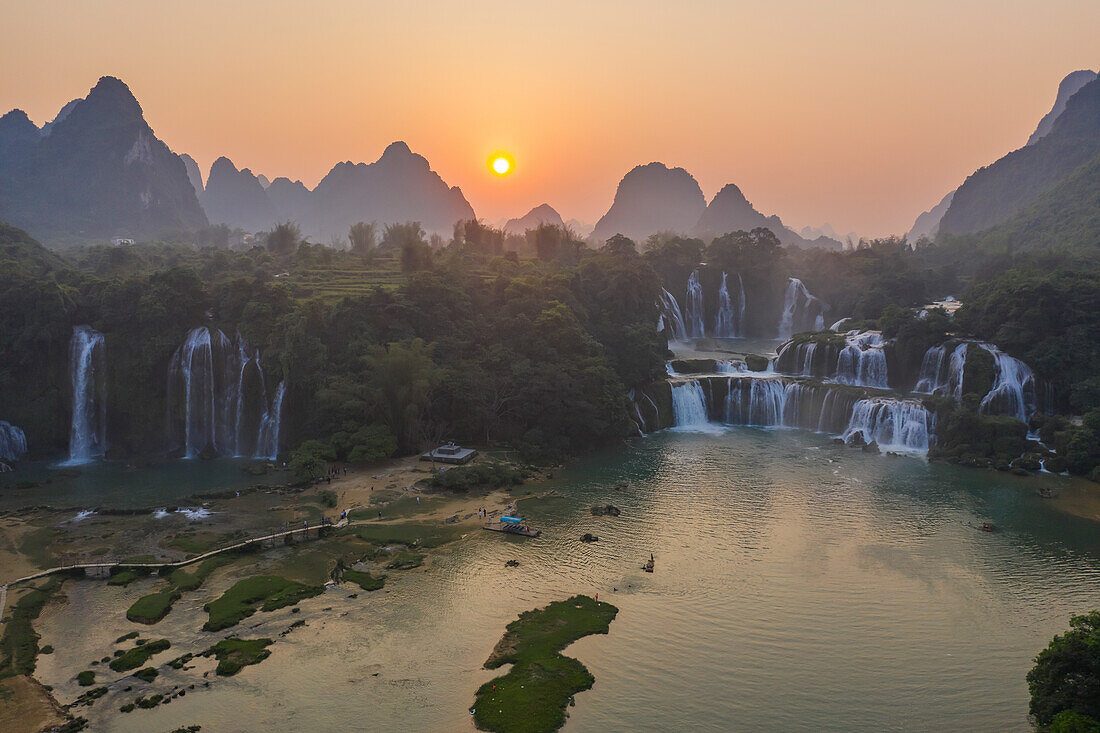
The Quây Sơn River splits into three tiers as it drops, carving through karst cliffs that rise 200 metres on either bank. French colonial surveyors mapped the cascade in 1894, but it remained inaccessible to most travellers until Highway 203 reached Trùng Khánh District in 1995. The falls mark the endpoint of a geological fault line that runs 80 kilometres through Cao Bang Province, creating the same karst tower landscape visible at Halong Bay but without the crowds.
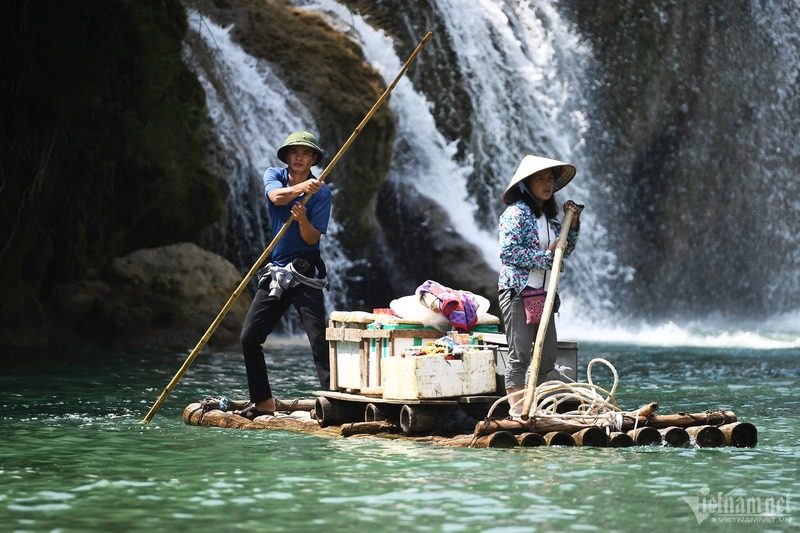
The conservation fee of 45,000 VND per person funds erosion control along the viewing platforms and supports the 42 Tày and Nùng minority villages within Dam Thuy Commune. Seven viewing decks line the Vietnamese bank, the lowest positioned 15 metres from the falls' base where mist rises year-round. Bamboo rafts operate on the Vietnamese side during dry season, November through April, ferrying visitors to the plunge pool beneath the central curtain. The Chinese side remains closed to casual crossing — the border checkpoint at Shuǐkǒu processes only visa holders with pre-arranged permits.
Ban Gioc waterfall from Hanoi requires crossing 340 kilometres of mountain highway, a journey that passes through Bắc Kạn Province's tea plantations and the Phja Oắc-Phja Đén nature reserve. Most ban gioc waterfall from hanoi tours depart before dawn to arrive by mid-morning, when the low sun illuminates the eastern cliff face and the water runs jade-green from upstream limestone dissolution. The road ascent begins at Thái Nguyên, climbing 900 metres over 180 kilometres to reach the plateau town of Cao Bằng city, then continuing northeast through bamboo forest and terraced rice fields to the border commune. Monsoon rains between May and September triple the falls' volume but reduce visibility — the dry months produce a thinner, clearer curtain that reveals the rock strata behind the water.
The Quây Sơn River splits into three tiers as it drops, carving through karst cliffs that rise 200 metres on either bank.
Wear comfortable walking shoes suitable for moist, rocky terrain. Lightweight clothing is recommended, but consider a light jacket for cooler morning temperatures or mountain breezes.
Small daypacks are permitted; avoid bringing large suitcases as there are no official lockers. Security may conduct checks at the entrance to the ban gioc waterfall from hanoi.
Photography is permitted throughout the public access areas. Drones are strictly prohibited near the border region and will be confiscated by authorities.
Families are welcome, though children should be supervised closely near the riverbank. The ban gioc waterfall from hanoi offers a peaceful environment for all ages.
The main entrance provides paved pathways to viewing platforms. However, reaching the water's edge involves uneven ground and stairs that may be difficult for visitors with limited mobility.
Simple local snacks and refreshments are available near the entrance. You may bring your own water, but please carry all trash out to maintain the conservation area.
Opening Hours
07:00–18:00
Address
Dam Thuy Commune, Trung Khanh District, Cao Bang Province, Vietnam
Site Terrain
Paved paths with some natural, uneven ground near the riverbanks
Best Arrival Window
07:00–10:00
Storage
Limited; secure valuables in your transport
Navigation
Follow signage from Dam Thuy for Ban Gioc Waterfall
Car · Bus · Regular transit from Hanoi's My Dinh Bus Station reaches Cao Bang city in roughly 8 hours.
Private hire from Cao Bang city takes approximately 2 hours via the QL3 highway.
Entry tickets are valid for a single-day admission. No refunds are provided for the 45,000 VND conservation fee once purchased.
Recommended time
2-3 hours
A 2-3 hour window is sufficient to enjoy the primary viewing areas and take a bamboo raft ride at the base. Planning your ban gioc waterfall from hanoi visit within the 07:00–10:00 arrival window is recommended to avoid mid-day crowds and experience cooler temperatures. While ban gioc waterfall from hanoi tours often arrive later in the day, independent visitors can secure their entry tickets early at the Dam Thuy Commune site to ensure a more tranquil experience by the Quay Son River.
Crowd levels through the day
Weather · crowds · average price — dots go green to amber to red as each metric rises.
March to May brings blooming flora along the river banks and moderate, serene water flows.
Arrive between 07:00–10:00 to enjoy the ban gioc waterfall from hanoi with fewer tourists.
Stand here for a direct, wide-angle view of the cascading tiers and the Quay Son River; it is the most popular vantage point for travelers arriving on a ban gioc waterfall from hanoi tour.
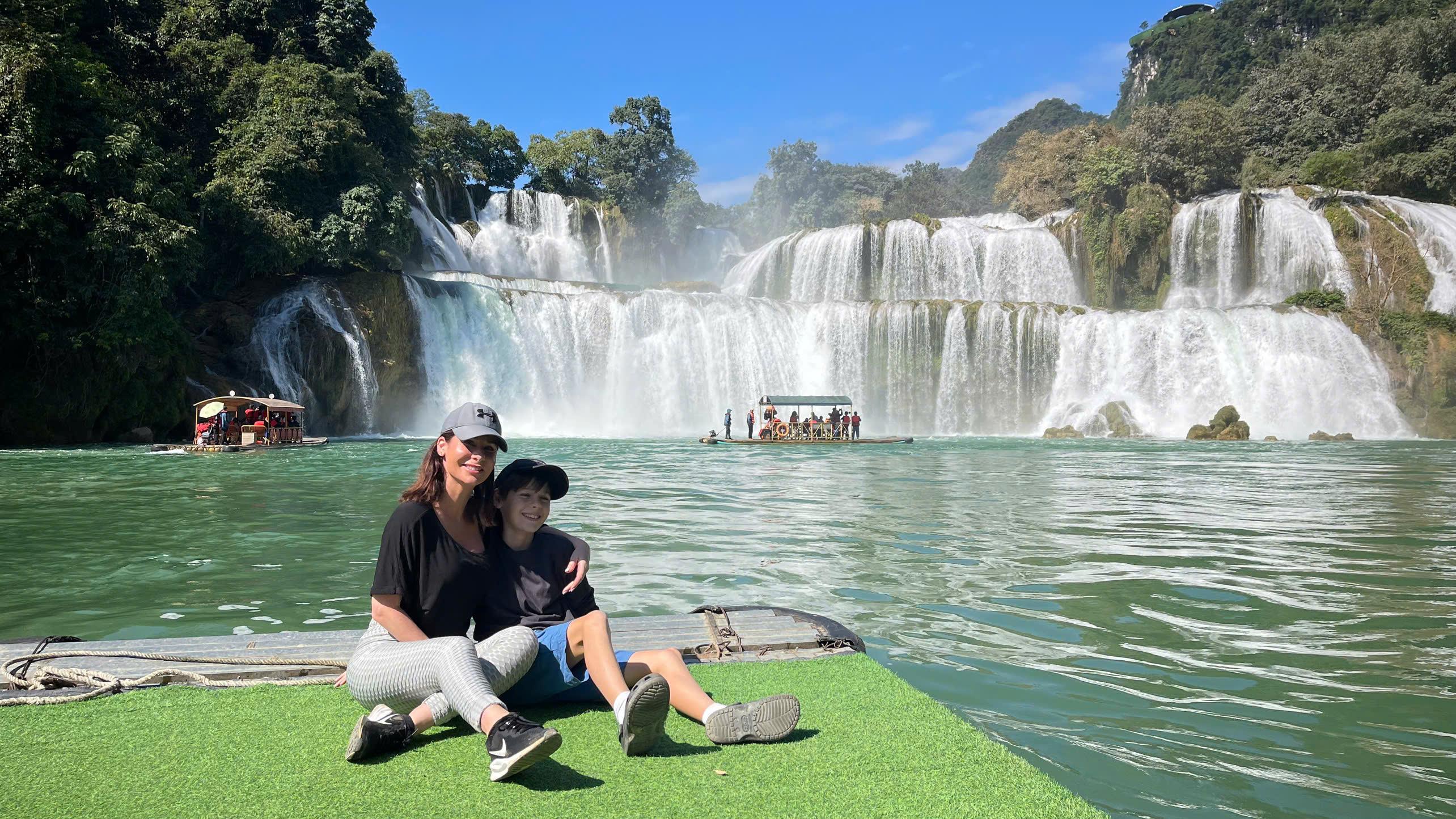
Capture the limestone karsts and rushing water from water level by taking a local raft; this offers a unique perspective for ban gioc waterfall from hanoi tours.
Walk along the bank to find clear openings through the foliage for intimate shots of the border boundary markers and the mist; many find this easier than buying separate ban gioc waterfall from hanoi tickets at the gate.
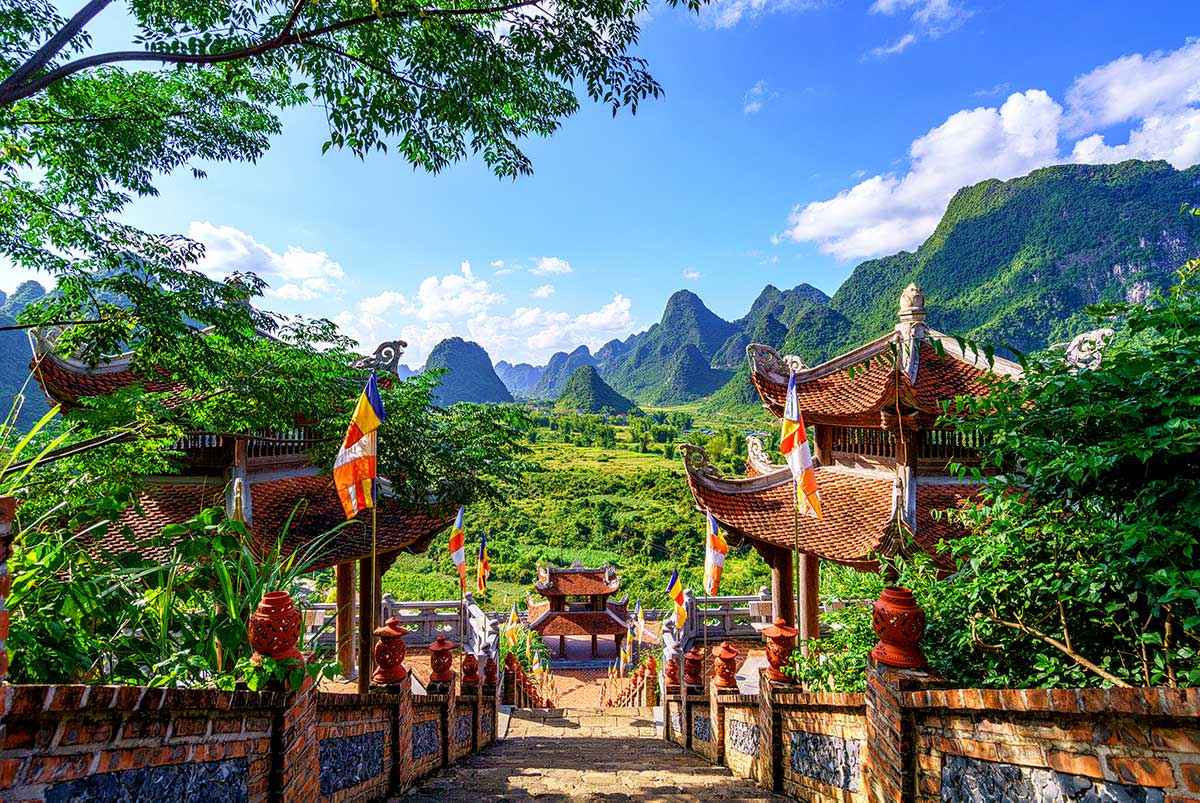
Follow the higher trails leading toward the monastery for a panoramic perspective of the falls and the surrounding karst landscape.
Dining options near ban gioc waterfall from hanoi are concentrated in Dam Thuy Commune, where rustic eateries serve regional specialties like roasted duck and river fish. While those on ban gioc waterfall from hanoi tours often find simple local fare, travelers should plan accordingly as options are limited compared to city centers.
Specializes in seven-flavored roasted duck and stir-fried wild vegetables. This venue is popular with groups arriving on a ban gioc waterfall from hanoi tour needing a hearty post-hike meal.;Minh Duc Restaurant
Real experiences from real travelers
We took a private tour from Hanoi and the six-hour drive through Cao Bang province was scenic. The waterfall spans both sides of the border and the scale is impressive when you see it from the observation platform. Water volume was strong in August. Bamboo raft ride gets you close enough to feel the spray.
Ban gioc waterfall from hanoi takes commitment but the payoff is real. Arrived around 10am and spent two hours exploring the trails and taking the raft out. The turquoise pools at the base are striking. Bring a waterproof bag for your phone.
This is Vietnam's largest waterfall and it feels untouched compared to more famous sites. The drive from Hanoi is long but we stopped at Nguom Ngao Cave on the way back. Pack snacks because food options near the falls are limited to basic local stalls.
The Quay Son River creates multiple tiers here and the wet season flow was powerful. We hired a guide in Cao Bang who knew the best photo angles. The Vietnamese side has better access than the Chinese side. Wear shoes with grip for the stone paths.
Taking ban gioc waterfall from hanoi tours was the right choice for us. Our guide explained the geological formation and border history. The bamboo rafts are operated by locals and the ride is calm. Visit on a weekday to avoid weekend crowds from both countries.
We stayed overnight in Cao Bang town and drove to the falls at sunrise. The light on the karst mountains was soft and the mist from the cascades created layered views. The walking trail along the river is well maintained. Water was cooler than expected.
This waterfall system is 30 meters high and stretches 300 meters across. The basalt rock formations are dramatic and the pools below are safe for rafting. We combined it with a trip to the border market. Bring Vietnamese dong because card readers are rare here.
Ban gioc waterfall from hanoi requires an early start but the drive through rural Cao Bang is part of the experience. Rice terraces line the valleys and the limestone peaks are covered in jungle. The falls themselves are powerful and the turquoise color is natural, not enhanced.
We visited in late June and the water volume was at its peak. The main cascade was thundering and the spray reached the viewing platform. Local vendors sell roasted corn and sugarcane juice. The bamboo rafts operate even in heavy flow but life jackets are mandatory.
Ban gioc waterfall from hanoi tickets were included in our tour package. The falls sit on the border and you can see Chinese tourists on the opposite bank. Vegetation is dense and the air smells like wet stone and jungle. Worth the detour if you have time in northern Vietnam.
Everything you need to know for your journey
The Ban Gioc Waterfall is open daily from 07:00–18:00.
The entrance fee is 45,000 VND (conservation fee, per person).
The best arrival window for your ban gioc waterfall from hanoi trip is 07:00–10:00 to avoid mid-day crowds.
Many travel agencies offer organized ban gioc waterfall from hanoi tours that include transport and guided visits.
Yes, the site is family-friendly, though children should be supervised as the terrain near the Ban Gioc Waterfall can be uneven.
Drones are strictly prohibited at the ban gioc waterfall from hanoi due to border security regulations.
Yes, photography is allowed, but drone usage is banned at the Ban Gioc Waterfall.
Most visitors spend 2 to 3 hours exploring the viewing areas and riverbank at the ban gioc waterfall from hanoi.
Yes, there are small food stalls located near the entrance of the ban gioc waterfall from hanoi.
A massive limestone cave system featuring stunning stalactites and underground chambers.
Local homestays providing authentic hospitality near the waterfall base.
Join thousands of happy travelers who have discovered this incredible experience
Book Your Experience Now